

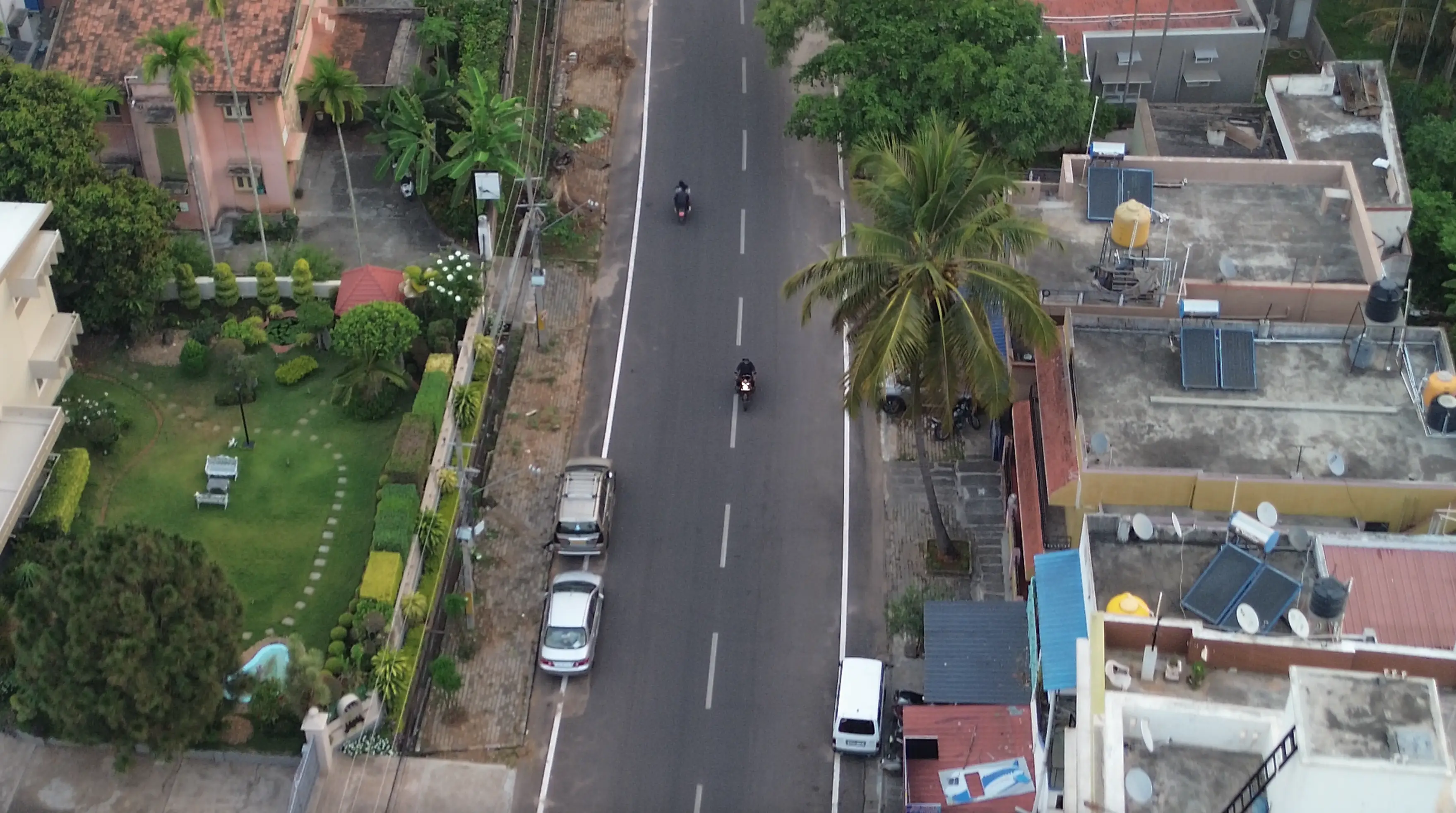
 A quiet morning street in Gokulam
Gokulam is a quiet residential neighbourhood roughly three kilometres northwest of Mysore's city centre, in Karnataka, India. It became the global epicentre of Ashtanga yoga because Sri K. Pattabhi Jois taught from his home here for decades, and the infrastructure that grew around his teaching — shalas, guesthouses, cafes, wellness services — never left. Today Gokulam has the highest concentration of traditional Ashtanga yoga shalas, yoga-friendly accommodation, and practitioner-focused services anywhere in the world.
If you are planning a trip to study yoga in Mysore, Gokulam is almost certainly where you will live and practice. This guide covers what you need to know.
Where Exactly is Gokulam?
Gokulam sits between Mysore's university campus to the south and the Ring Road to the north. The neighbourhood is compact — roughly two square kilometres — and bordered by the larger residential areas of Jayalakshmipuram to the east and Kuvempunagar to the south.
The layout is simple. Gokulam Main Road runs through the centre, with most yoga shalas, cafes, and guesthouses clustered within a ten-minute walk on either side. Contour Road runs along the neighbourhood's southern edge, connecting to the university campus and the road toward central Mysore.
Most yoga-related activity happens in a core area of roughly six to eight blocks. This is small enough that after a few days of walking, you will know the key landmarks — the coconut stands, the main cafe strip, the supermarkets, the temples — without a map.
Yoga Shalas in Gokulam
Gokulam's yoga scene is dominated by Ashtanga Vinyasa yoga, though Hatha, Vinyasa, and other styles are also taught. The neighbourhood has roughly fifteen to twenty active shalas at any given time, ranging from internationally known establishments to smaller, intimate teaching spaces.
What makes Gokulam's shalas distinctive:
- Proximity to each other. You can walk between most shalas in under ten minutes. This density means you can try different teachers during your stay or switch if your first choice is not the right fit.
- Traditional Mysore-style teaching. Most shalas in Gokulam follow the self-paced Mysore-style format — you practice independently while the teacher gives individual adjustments. See our guide on what Mysore style yoga means for details.
- Experienced teachers. Many teachers in Gokulam have practised for decades, often training under Sri K. Pattabhi Jois or his grandson R. Sharath Jois. The teaching depth available here is difficult to find elsewhere.
- Year-round operation. Unlike yoga retreats that run for fixed periods, Gokulam's shalas operate throughout the year — six days per week, every week. You practice on a monthly commitment, not a course schedule.
Browse the full directory of yoga shalas in Mysore on Sutraha to compare teachers, styles, and locations before you arrive.
Accommodation
Most yoga students in Gokulam stay within walking distance of their chosen shala. This is strongly recommended — daily practice starts before 5am, and even a short commute adds friction that compounds over weeks.
Types of accommodation available:
- Guesthouses — The most common option. Basic to comfortable furnished rooms, often with shared or private bathrooms, filtered water, and Wi-Fi. Many offer monthly rates at a discount. Prices range from budget to moderate depending on amenities and location.
- Private rooms and apartments — Furnished rooms in residential buildings, sometimes with a kitchen. Good for practitioners who want to cook their own meals or prefer more privacy.
- Paying guests (PG) — Rooms in family homes, sometimes including meals. A more culturally immersive option that can also be the most affordable.
- Shared houses — Groups of practitioners sometimes share a house or apartment. This reduces costs and creates a built-in community, but requires coordination.
Booking tips:
- For peak season (November through February), book one to two months in advance. The best-located rooms fill up early.
- For off-peak months, you can often find accommodation on arrival, but having at least a first week booked reduces stress after a long flight.
- Prioritise location over amenities. A basic room five minutes from your shala is better than a comfortable apartment twenty minutes away.
Browse places to stay in Mysore on Sutraha to compare current options by location and type.
Food and Cafes
Gokulam's cafe scene exists because of the yoga community, and it shows. Cafes open early — by 7am or even 6:30am — to catch students finishing their morning practice. Menus lean toward healthy, vegetarian, and often vegan options, alongside traditional South Indian staples.
The post-practice routine: Most students head straight from the shala to breakfast. The neighbourhood's main cafes fill between 7:30am and 9:00am with practitioners ordering filter coffee, dosa, idli, smoothie bowls, or porridge. This daily ritual is as much a part of the Gokulam experience as the practice itself.
What you will find:
- South Indian vegetarian restaurants serving thali, dosa, idli, and rice-based meals at very affordable prices
- Health-focused cafes with smoothie bowls, fresh juices, avocado toast, and vegan options
- Filter coffee — Mysore's strong, aromatic South Indian coffee is a daily essential for most practitioners
- Fruit vendors and coconut stands — fresh coconuts after practice are a Gokulam institution
Cooking at home: If your accommodation has a kitchen, fresh produce is available from local vegetable markets and small grocery shops throughout Gokulam. Several shops stock items popular with international practitioners — peanut butter, oats, muesli, tempeh, and health supplements.
Read our detailed food guide for yoga students in Gokulam for more on where and what to eat.
Wellness Services
Gokulam supports a comprehensive ecosystem of wellness services beyond the yoga shala. Most are priced affordably by international standards and scheduled around the morning practice timetable.
- Ayurvedic consultations and treatments — Ayurvedic doctors provide constitutional assessments, herbal prescriptions, oil treatments (Abhyanga, Shirodhara), and ongoing treatment plans tailored to the demands of daily Ashtanga practice.
- Massage and bodywork — Therapeutic massage, craniosacral therapy, osteopathy, and deep tissue work help manage the physical demands of six-day-per-week practice.
- Pranayama and meditation — Several teachers offer pranayama instruction and meditation sessions, typically in the late morning after the main shala practice.
- Sanskrit and chanting — Classes in Vedic chanting, Sanskrit language, and yoga philosophy run throughout the season. See our guide on Sanskrit, chanting, and philosophy in Gokulam.
- Yoga philosophy — Study groups and lectures on the Yoga Sutras, Bhagavad Gita, and related texts.
Browse wellness services in Mysore on Sutraha to find practitioners and current offerings.
Local Businesses and Practical Services
Gokulam has everything you need for daily life during your stay. The neighbourhood has been serving international yoga students for decades and the local business ecosystem reflects this.
- Supermarkets and grocery shops — Stocked with both Indian staples and items popular with international visitors
- Pharmacies — Multiple pharmacies within walking distance. Many medications available over the counter that require prescriptions in Western countries
- Laundry services — Drop-off laundry with one to two day turnaround. Essential given the rate at which you go through practice clothes
- SIM cards and mobile services — Jio and Airtel are the most reliable networks. Local shops handle setup and top-ups
- Scooter and bicycle rentals — Many practitioners rent scooters for trips into central Mysore or weekend excursions. Monthly rates are considerably cheaper than daily
- ATMs and banking — Several ATMs in the neighbourhood. Cash is still king for many transactions, though UPI payments are increasingly accepted
- Co-working spaces — For practitioners who work remotely during their stay
Browse local businesses in Mysore on Sutraha for specific listings and details.
Getting Around
Within Gokulam: Walk. The neighbourhood is compact enough that everything you need daily — shala, cafe, grocery, pharmacy — is within ten minutes on foot. Most practitioners do not need any transport for their daily routine.
To central Mysore: Auto-rickshaws are the standard option. A ride from Gokulam to Devaraja Market, Mysore Palace, or the main shopping areas takes fifteen to twenty minutes and costs INR 150–250. Ola and Uber also operate in Mysore.
Scooters: Popular for longer trips, weekend excursions (Chamundi Hill, Brindavan Gardens), or reaching shalas on the edges of the neighbourhood. Rentals run INR 200–400 per day or INR 3,000–5,000 per month.
Getting to Gokulam from Bangalore Airport: See our detailed transport guide from Bangalore Airport to Gokulam.
When to Visit
The yoga season runs year-round, but the community's rhythm follows the weather:
- November to February — Peak season. Cool and dry (18–28 C). Largest international community. Most events and workshops. Shalas are busiest. Book accommodation and shala spots well in advance.
- March to May — Hot season. Temperatures regularly exceed 35 C. Smaller community. More availability. Practice is more physically demanding in the heat.
- June to September — Monsoon. Heavy rains, high humidity, cooler temperatures. Smallest community. Most availability. Some practitioners deliberately choose this period for the quiet and the lower cost.
- October — Transition month. Weather improving, community beginning to rebuild. Good for practitioners who want a head start before peak season.
Read our detailed best time to visit guide for a month-by-month breakdown.
Safety and Practical Considerations
Gokulam is a safe, quiet residential neighbourhood. The yoga community has been a presence here for decades, and the local population is accustomed to international visitors.
Water: Drink only filtered or bottled water. Most guesthouses provide filtered water. Never drink directly from the tap.
Food safety: Eat at established restaurants and cafes. Street food is generally safe in Gokulam but use common sense — cooked food served hot is safer than cold preparations.
Health: Register with a local doctor or Ayurvedic practitioner early in your stay. Minor illnesses (stomach adjustment, respiratory issues from air quality changes) are common in the first week and usually resolve quickly.
Noise: Gokulam is quieter than central Mysore but not silent. Temple loudspeakers, dogs, and construction are part of the soundscape. Earplugs are useful for the light sleepers adjusting to 4am wake-ups.
Money: Carry cash for daily transactions. ATMs are available. Inform your bank before travelling to India to avoid card blocks.
Frequently Asked Questions
Where is Gokulam in Mysore?
Gokulam is a residential neighbourhood about three kilometres northwest of Mysore city centre, between the university campus and the Ring Road. It is the primary neighbourhood for yoga students visiting Mysore.
Why do yoga students go to Gokulam?
Gokulam is where Sri K. Pattabhi Jois taught Ashtanga yoga for decades, and it remains the global centre for traditional Ashtanga practice. The neighbourhood has the highest concentration of yoga shalas, yoga-friendly accommodation, and practitioner-focused services in the world.
How long should I stay in Gokulam?
A minimum of one month is recommended for a first visit. Six weeks to two months allows the practice and the daily rhythm to settle properly. The first two weeks are largely adjustment, so leaving at three weeks means leaving just as things click.
Is Gokulam safe for solo travellers?
Yes. Gokulam is a quiet residential area with a large international community. Solo travellers, including women travelling alone, generally feel safe. Standard travel precautions apply — be aware of your surroundings, especially at night, and do not leave valuables unattended.
Can I work remotely from Gokulam?
Yes. Several cafes and co-working spaces offer Wi-Fi suitable for remote work. Most guesthouses also have Wi-Fi, though speeds vary. The morning practice schedule (finish by 7–8am) leaves substantial daytime hours for work.