

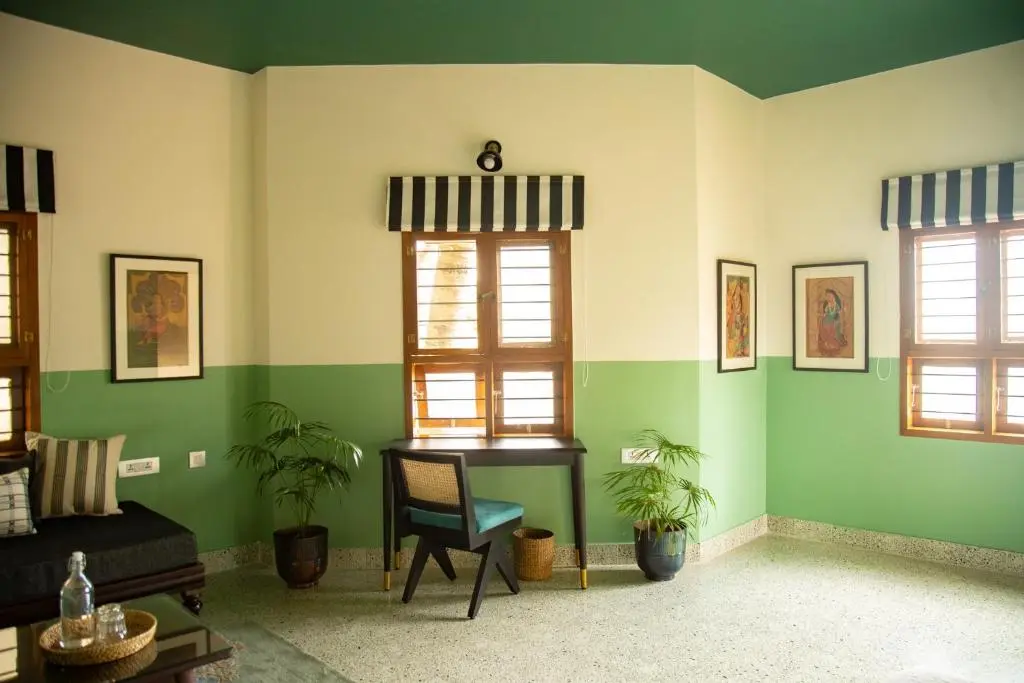
 A luxury villa in the heart of Mysore
Finding a place to stay in Gokulam is one of the first practical questions that comes up once you have decided to make the trip. It is also one of the areas where outdated advice circulates most freely. Rooms change hands, buildings get renovated, new guesthouses open, old ones shift management. What someone told you about their stay three years ago may not apply now.
Here is what I have learned from my own time in Gokulam and from watching other practitioners navigate the same decisions, including what actually matters and what you can safely worry about less.
What Types of Accommodation Are Available in Gokulam?
Gokulam offers several distinct categories of accommodation, and understanding the differences will save you from booking something that does not match your expectations. The neighbourhood was not built for tourism — it grew around the yoga community organically — so the options reflect that history.
Guesthouses are the most common choice for visiting practitioners. These are typically family-owned homes or purpose-built small buildings with multiple rooms, often with a shared common area or rooftop. Some serve breakfast; most do not. The quality varies enormously — from basic rooms with a bed and fan to well-maintained spaces with good natural light and a quiet atmosphere. The best guesthouses are run by families who have been hosting yoga students for years and understand the rhythms of the practice life.
Single rooms and studio apartments are available through individual landlords. These tend to offer more privacy and independence than guesthouses. You get your own space, often with a small kitchen or kitchenette, which matters more than you think when you are managing your own meals around a 5am practice schedule.
Apartments — full one or two bedroom flats — are an option for longer stays or for practitioners travelling with a partner. These are typically rented monthly and come furnished to varying degrees. The convenience of a proper kitchen and living space makes a real difference over a two or three month stay.
PGs (Paying Guest accommodations) are a distinctly Indian arrangement where you rent a room in someone's home, sometimes with meals included. These can be excellent value and provide a more embedded local experience, though the level of independence is lower. For practitioners who want simplicity and do not mind a more communal living situation, PGs work well.
You can browse current listings across all these categories on Sutraha's accommodation page, which covers what is available in the Gokulam area specifically.
What Should You Expect from a Typical Room in Gokulam?
Set your expectations based on the neighbourhood rather than on hotel standards. Gokulam accommodation is functional, not luxurious, and that is fine once you understand what you are getting. Most rooms aimed at yoga students come furnished with the basics: a bed with mattress, a wardrobe or clothing rack, a desk or small table, and a chair. Bedding is sometimes provided, sometimes not — confirm before you arrive.
Hot water is available in most places, typically via an electric geyser (water heater) that you switch on 10-15 minutes before you need it. This is standard across India and becomes second nature within a day or two. Some newer buildings have solar water heating, which is more reliable during the sunny months.
WiFi is widely available but varies in quality. Most guesthouses and apartments advertise WiFi, and in many cases it works adequately for basic tasks — email, messaging, light browsing. If you are working remotely and need reliable, fast internet for video calls or large uploads, ask specifically about speed and whether there is a backup connection. Some practitioners buy a local SIM card with a data plan as a backup, which is inexpensive and straightforward.
Fans and air conditioning — most rooms come with a ceiling fan, which is sufficient from November through February. Air conditioning is available in some places at a higher rate and becomes genuinely useful from March onward when the heat builds. During peak summer months, AC can shift from luxury to necessity depending on your tolerance.
Kitchens range from a full setup with gas stove and fridge to a basic hot plate and kettle arrangement. If cooking matters to you — and for many practitioners managing a specific diet around intense daily practice, it does — ask for photos and specifics before committing.
How Much Does Accommodation Cost in Gokulam?
Rates in Gokulam vary based on the type of accommodation, the season, and whether you are booking nightly or monthly. Monthly rates offer significantly better value, and most practitioners staying for a month or longer should negotiate a monthly arrangement.
Nightly rates for a basic guesthouse room range from roughly 800 to 2,000 INR per night, depending on the quality and amenities. This is the least economical way to stay, but useful for the first few days while you look around and find a longer-term place.
Monthly rates for a single room in a guesthouse typically fall between 10,000 and 25,000 INR per month. A decent room with good light, hot water, WiFi, and a quiet location near a shala will land somewhere in that range. Apartments and larger spaces run higher — 20,000 to 40,000 INR per month for a furnished one-bedroom flat is common. PGs with meals included can be found for 8,000 to 15,000 INR per month, making them the most affordable option.
These figures shift. The best source for current pricing is to check listings directly on Sutraha or to contact accommodation providers in advance of your trip. Do not rely on numbers you read in a blog post from two years ago, including this one — check current rates before you budget.
Does the Season Affect Pricing?
Peak season in Gokulam runs roughly from November through February, when the weather is most comfortable and the highest concentration of international practitioners are in town. During these months, the best accommodation fills up faster and rates sit at the higher end of the range. Some places charge a premium; others hold steady but simply have no availability.
Off-peak months — primarily the hotter months of March through May and the monsoon season from June through September — bring lower occupancy and often better rates. If your schedule allows flexibility, arriving during shoulder periods can mean more choice, lower costs, and a quieter neighbourhood. The trade-off is heat or rain, depending on when you come. Both are manageable. Neither is trivial.
Why Does Location Within Gokulam Matter So Much?
This is the single most underrated factor in choosing accommodation, and the one that experienced practitioners prioritise above almost everything else. Being within walking distance of your shala is not a convenience — it is a structural part of how the practice works here.
You will be waking up between 4 and 5am most mornings. You will be half-asleep. The streets will be dark. Negotiating an auto-rickshaw or managing a scooter ride at that hour, six days a week, adds friction that compounds over weeks. A ten-minute walk is fine. A twenty-minute commute starts to erode something.
The practical advice is simple: choose your shala first, then find accommodation within reasonable walking distance of it. Most of Gokulam's yoga shalas are concentrated in a relatively compact area — first stage, second stage, and the streets connecting them. If you are staying within this zone, you will be walkable to most shalas and to the cafes, shops, and services that make up daily life here.
If you are not yet sure which shala you will attend, aim for a central location in Gokulam and keep your first week's accommodation flexible. A short-term guesthouse booking while you try different shalas, followed by a longer-term rental once you have decided, is a sensible approach.
You can see shala locations alongside accommodation on Sutraha to plan your proximity before you arrive.
When Should You Book Accommodation for Gokulam?
Booking timelines depend entirely on when you are coming. For peak season — November through February — serious planning should begin two to three months in advance. The most popular guesthouses and well-located rooms fill up early, particularly around January when the neighbourhood is at its busiest. If you have a specific place in mind based on a recommendation, reaching out three months ahead is not excessive.
For off-peak travel, the timeline is more relaxed. One month in advance is usually sufficient, and some practitioners arrive without a long-term booking, spending the first few days in a guesthouse while they look around in person. This works — but it requires a tolerance for uncertainty that not everyone has after a long international flight.
Should You Book Everything Before You Arrive?
There are two schools of thought on this, and both have merit.
Booking in advance gives you certainty. You land in Mysore, get to Gokulam, and have a bed waiting. For a first visit, when everything is new and the jet lag is real, this peace of mind has genuine value. The downside is that you are committing to a place you have not seen in person, and photographs can be generous.
Arriving and looking in person gives you accuracy. You can see the room, meet the landlord, check the water pressure, judge the noise level, and walk the route to your shala before handing over money. The downside is that in peak season, the best options may already be taken.
My honest recommendation for first-time visitors: book something modest and flexible for your first week — a guesthouse room with nightly or weekly rates — and use that week to find your longer-term place in person. You will make a much better decision once you have walked the neighbourhood, found your shala, and understand the layout.
What About Laundry, Cleaning, and Other Practicalities?
Laundry services are widely available and inexpensive. Most guesthouses either offer laundry or can point you to a nearby service. Turnaround is typically one to two days. Some practitioners hand-wash practice clothes daily — cotton dries quickly in the Mysore climate, and you will go through practice clothes fast given the heat and the intensity of daily Ashtanga.
Cleaning arrangements vary by accommodation type. Guesthouses usually handle cleaning of common areas and may offer room cleaning on a schedule. For independent rooms and apartments, you may need to arrange a cleaner separately, which is affordable and common. Ask about this when booking.
Drinking water is typically provided via filtered water systems or you can purchase large water cans (20-litre bottles) for very little. Do not drink tap water directly.
What Are Common Mistakes When Choosing Accommodation?
Prioritising price over location. A cheaper room that adds a 30-minute commute to your 5am practice is not actually saving you anything. The extra sleep you lose, the friction of the commute, the gradual erosion of the daily rhythm — these costs are real even though they do not appear on an invoice.
Over-committing too early. Paying three months upfront for a place you found online, sight unseen, before you have visited Gokulam is a gamble. Most landlords will negotiate a monthly arrangement with the option to extend. Start with one month.
Expecting hotel standards. Gokulam accommodation is practical, not polished. Hot water geysers, basic furnishings, the occasional power cut — these are normal. If you need consistent luxury, Gokulam will be an adjustment. Most practitioners find they care less about the room than they expected, because so much of life here happens outside of it — at the shala, at the cafe, walking the neighbourhood.
Ignoring noise levels. Some streets in Gokulam are quieter than others. Dogs bark at night, temple loudspeakers start early, construction happens. If you are a light sleeper, ask about this when viewing a room. Earplugs are a worthwhile addition to your packing list.
How Do I Start Looking for Accommodation?
Start with the listings on Sutraha's places to stay page, which covers current accommodation across Gokulam — guesthouses, rooms, apartments, and PGs with details on amenities and location. This gives you a realistic picture of what is available and at what price range before you start reaching out to individual providers.
If you already know which shala you will be attending, check with them directly — many teachers maintain informal lists of nearby accommodation or can recommend places where their students have stayed. Browse yoga shalas in Mysore on Sutraha if you are still deciding where to practice.
Word of mouth within the yoga community remains one of the best sources. If you are connected with practitioners who have been to Gokulam recently, ask them. Recent experience beats any listing.
The accommodation question is important, but it is also solvable. Most practitioners who have been to Gokulam multiple times will tell you the same thing: the room matters less than you think, the location matters more than you think, and the practice is what you are actually here for. Get the basics right and let the rest settle once you arrive.