
 Yoga Accessories
The single most common packing mistake yoga practitioners make when heading to Mysore is bringing too much. I have watched people arrive at guesthouses in Gokulam with enormous suitcases, only to realise within the first week that most of what they packed sits untouched in a corner while they rotate through the same three outfits.
Mysore, and Gokulam specifically, is a place where your daily life becomes simple by design. You practice in the morning, eat, rest, study, repeat. The infrastructure supports this — laundry is cheap and fast, basic supplies are available locally, and the climate means you need less clothing than you think. Pack for the life you will actually live here, not for the life you are leaving behind.
What Practice Clothes Should You Bring?
Bring less than your instinct tells you. Seriously. You will practice in the same type of clothing every morning, and in Mysore's climate, lightweight fabrics dry quickly whether you hand-wash them or use a local laundry service.
Three to four sets of practice clothes is sufficient for a stay of any length. These should be lightweight, close-fitting enough that they do not fall over your head in forward folds or inversions, and made of fabric that handles sweat well without retaining odour after washing. Cotton-synthetic blends work. Pure cotton is comfortable but dries slower and tends to stretch out. Technical athletic fabrics dry fastest and pack smallest.
For the shala, keep it simple. Shorts or fitted leggings and a close-fitting top. Loose, flowing garments are impractical for Ashtanga — they bunch up during the vinyasa, get caught during adjustments, and create unnecessary distraction. You want clothing that disappears once you start moving so you can focus on the practice rather than on rearranging your outfit between postures.
Colours: Dark colours show sweat less but absorb more heat. Light colours are cooler but show every mark. Most practitioners land somewhere in the middle and stop caring about this after day three. Wear what you are comfortable in.
Women: A supportive sports bra that you trust during inversions is essential. Bring two to three. These are harder to replace locally in the specific styles and fits that Western practitioners are accustomed to.
Men: Fitted shorts that stay put during wide-legged postures and inversions. Loose basketball-style shorts are a common mistake — they will ride up to your chest in every shoulder stand.
Can You Buy Practice Clothes in Mysore?
Yes, but with caveats. Mysore has shops selling yoga clothing, and Gokulam has a few spots where you can find basic practice wear. The quality and range are adequate but limited compared to what you might be used to at home. If you have specific brands or fits you rely on, bring them. If you are flexible about clothing, you can supplement locally.
Should You Bring Your Own Yoga Mat?
This is one of the most debated questions in the Gokulam packing conversation, and my answer is: yes, bring your own mat if you have one you practice on regularly.
Your mat is the one piece of equipment that directly affects your practice every single day. The grip, the thickness, the way it responds to sweat, the familiar feel of your hands on a surface you know — these things matter more than people who have never committed to a daily practice might realise. Arriving with your mat means one less variable to manage during a period when everything else is new.
If you practice on a Manduka, Jade, or similar high-quality mat, bring it. Yes, it takes space. Yes, it adds weight. It is worth it. Most airlines allow yoga mats as carry-on or will accept them as part of your checked luggage. Some practitioners strap the mat to the outside of their bag.
If your current mat is worn out or mediocre, this is actually a reasonable moment to buy a new one — either at home before departure or in Mysore. Mysore has shops that sell yoga mats at various price points. The selection includes both basic mats and reasonable quality options. You will not find every premium brand, but you will find something functional.
Rug or cotton mat: Many Ashtanga practitioners use a cotton rug (sometimes called a Mysore rug) over their mat for additional grip as sweat builds during practice. These are widely available in Mysore — in fact, Mysore is one of the best places to buy them. You can easily pick one up after you arrive. No need to bring one from home.
What About the Climate — What Regular Clothes Do You Need?
Mysore's climate is warm year-round, but the specifics depend on when you visit, and this affects what you pack beyond practice wear.
November through February (cool season): Days are warm, around 25-30 degrees Celsius, but mornings and evenings can be genuinely cool — 15-18 degrees. The walk to the shala at 5am in December or January can feel cold, particularly after you have acclimatised to the daytime warmth. Bring a light sweater or hoodie for early mornings and evenings. One warm layer is enough — you will not need a winter coat.
March through May (hot season): Temperatures climb to 35 degrees and above. Humidity rises. You will want the lightest, most breathable clothing you own. Linen and loose cotton are ideal for daytime wear outside the shala. Mornings are warm rather than cool.
June through September (monsoon): Rain is frequent, sometimes heavy. The air is humid. Quick-drying fabrics matter more here than at any other time. A light, packable rain jacket is useful. An umbrella, readily available locally, is essential.
For everyday wear, three to four casual outfits are sufficient. Loose trousers or light pants, a few t-shirts or tops, and something modest for visiting temples or more traditional settings. Gokulam is relaxed about dress, but the surrounding area and Mysore city are more conservative. Covering shoulders and knees when you leave the yoga neighbourhood is respectful and practical.
Footwear: Flip-flops or sandals for daily use. You will slip them on and off constantly — at the shala entrance, at cafes, visiting neighbours. A pair of comfortable walking shoes if you plan to explore Mysore or do any hiking around the area. Two pairs of footwear is enough.
What Medications and Health Supplies Should You Pack?
This category deserves serious attention. Medical facilities in Mysore are adequate, and pharmacies are well-stocked, but having certain essentials with you from the start prevents unnecessary disruption during your first days.
Prescription medications: Bring your full supply for the duration of your stay, plus a buffer. While many medications are available in Indian pharmacies at lower cost, formulations and brand names differ. Do not assume you can easily replace a specific prescription locally.
Digestive support: The adjustment to Indian food and water, even with precautions, causes some digestive disruption for most visitors. Bring a basic stomach remedy, electrolyte sachets or tablets, and a probiotic course to take during your first two weeks. These are also available locally, but having them from day one means you are covered immediately.
Pain management: Ibuprofen or your preferred anti-inflammatory. The first weeks of intensive daily practice can produce soreness, particularly if you are increasing your practice load. A basic pain reliever is sensible.
First aid basics: Adhesive bandages, antiseptic cream, anti-fungal cream (warm, humid climate plus communal shala spaces), insect repellent, and sunscreen. All available in Mysore pharmacies, but convenient to have from the start.
Mosquito protection: Mysore has mosquitoes, particularly during and after monsoon season. DEET-based repellent is effective. A plug-in repellent device for your room is available locally and widely used. If you are concerned about mosquito-borne illness, consult a travel health clinic before departure about prophylaxis options.
Travel health consultation: This deserves its own emphasis. Visit a travel health clinic or your doctor before leaving. Discuss vaccinations (Hepatitis A and B, Typhoid, and others depending on your travel history), malaria prophylaxis if applicable, and any specific health considerations for South India. Do this at least four to six weeks before departure, as some vaccinations require time to become effective.
What Electronics Should You Bring?
Phone — obviously. An unlocked phone is ideal so you can insert an Indian SIM card on arrival. Local SIM cards with generous data plans are inexpensive and make life significantly easier — for maps, communication, booking transport, and staying connected. You can get a SIM at the Mysore airport or at telecom shops in the city.
Universal power adapter. India uses Type C, D, and M sockets. The round-pin Type C is most common. Bring an adapter, or buy one at the airport. A small power strip with a couple of USB ports is useful if your accommodation has limited outlet access, which is common.
Laptop or tablet — if you are working remotely or want to study, read, or watch content during the long afternoons. Many practitioners find they use their devices less than expected — the Gokulam rhythm naturally reduces screen time. But if you need to work, bring what you need.
E-reader — the afternoons between practice and sleep leave genuine reading time. An e-reader packs lighter than the books you will want to get through during a multi-week stay.
Headphones — for the occasional noise management in your room, and for the flight.
A small flashlight or headlamp — the walk to the shala at 5am is dark, and Gokulam's street lighting is inconsistent. Your phone flashlight works in a pinch, but a small dedicated light is more practical when you are carrying a mat.
What Should You NOT Bring?
This list is as important as the packing list itself.
Too many clothes. I keep repeating this because it is the most common error. You do not need outfits for ten different occasions. You need practice clothes, a few casual outfits, one warm layer, and that is substantially it. Laundry services in Gokulam typically turn around in one to two days and cost very little.
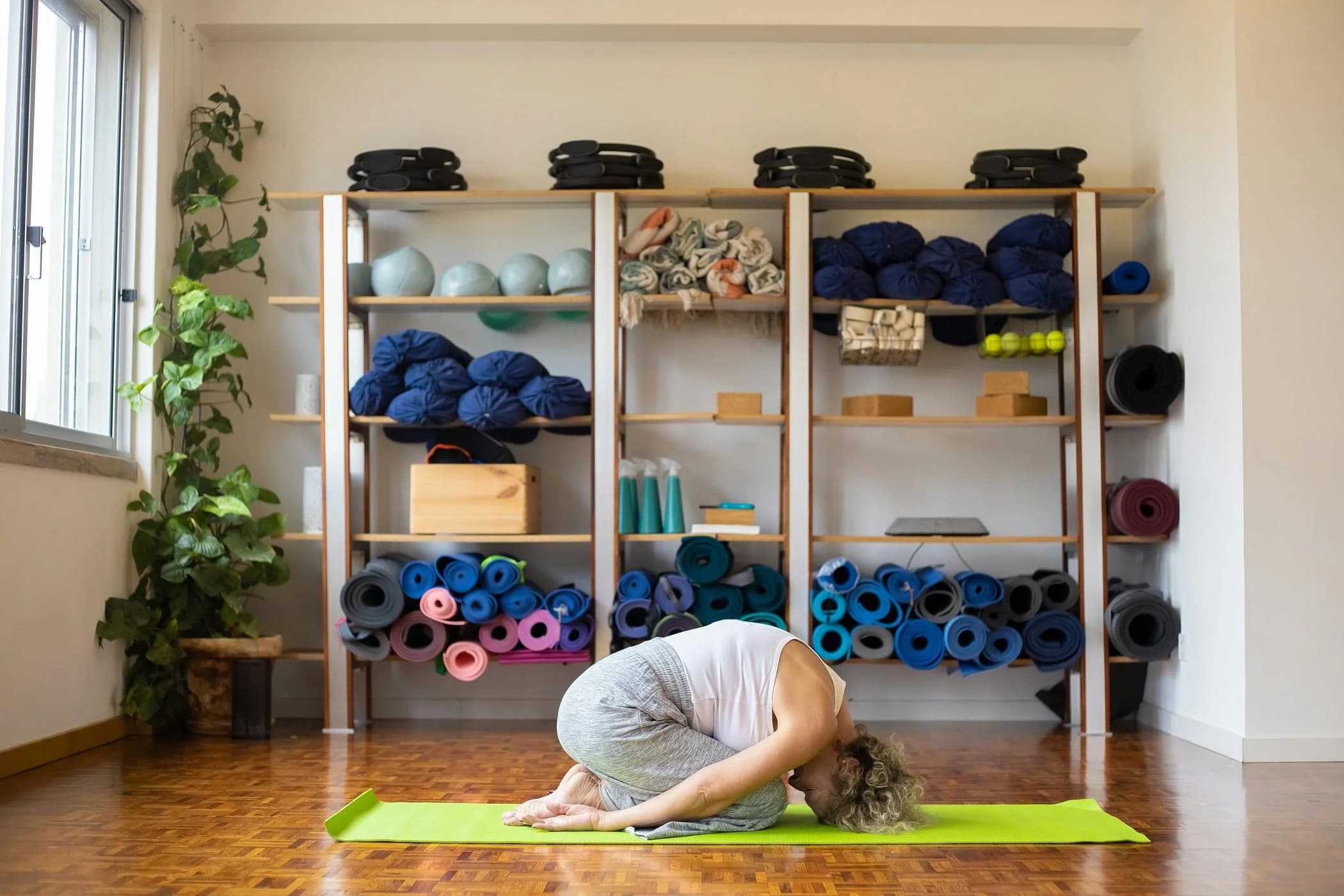
Heavy yoga props. Blocks, straps, bolsters — leave them. Your shala will have what is needed, and if you need a specific prop, you can buy one locally for a fraction of what it would cost at home. The weight and space are not justified.
Excessive toiletries. Travel sizes for the first week, then buy locally. Indian pharmacies and grocery shops carry international and local brands of everything you need — shampoo, soap, toothpaste, deodorant, skincare. Often at much lower prices. Do not fill your suitcase with six months of products.
Expensive jewellery or unnecessary valuables. Gokulam is safe, but there is no reason to bring things you would be anxious about losing. Most practitioners quickly adopt a minimal approach to accessories — you take everything off for practice anyway.
Multiple pairs of shoes. Two is the maximum. Sandals and one closed pair. You will live in sandals.
Books. Controversial, I know. But physical books are heavy and you can buy yoga and philosophy texts in Mysore's bookshops, often in editions not available elsewhere. Bring one book for the flight and buy what you need locally, or use an e-reader.
What Can You Easily Buy in Mysore?
Knowing what is readily available locally helps you pack lighter with confidence.
- Yoga mats (basic to mid-range quality)
- Mysore rugs and cotton practice towels
- Coconut oil, sesame oil, and other body care staples
- Ayurvedic products of all kinds
- Basic practice clothing
- Toiletries and personal care products
- Medications (many available over-the-counter that require prescriptions elsewhere)
- Indian SIM cards and phone accessories
- Power adapters and basic electronics
- Notebooks, pens, and stationery
- Filtered water containers
- Mosquito repellent devices
The local businesses in Gokulam and greater Mysore have been serving yoga practitioners for decades. They know what you need. You can explore what is available through Sutraha's business listings before your trip.
How Should You Actually Pack?
One medium suitcase or large backpack plus a small daypack. That is it. If you cannot carry your luggage by yourself through an airport and up a flight of stairs to a guesthouse room, you have packed too much.
The daypack serves as your daily bag in Gokulam — mat strapped to it, water bottle, towel, change of clothes. Some practitioners use a simple tote or cotton bag for the daily shala walk.
Roll your clothes rather than folding them. Pack practice clothes where you can reach them immediately — you may want to practice the morning after landing, and digging through a bag at 4:30am is not how you want to start.
Leave a little space in your bag for the return trip. You will buy things in Mysore — a rug, books, gifts, clothing. If your bag is already bursting on arrival, you will have a problem on departure.
The practical truth about packing for Mysore is that less is genuinely more. The life you will live in Gokulam is simple by nature and rich in ways that have nothing to do with what you brought in your suitcase. Pack light, arrive open, and let the practice and the neighbourhood provide what you actually need.
For help planning the rest of your trip, browse places to stay, yoga shalas, and wellness services on Sutraha to see what is available across Gokulam before you go.